Tipping App

Main Objective
Help client beta launching a mobile app on UX flows and visuals
Team
Cross-functional Team of 9
Timeline
3 Months

Result
2.5x revenue & Successful Beta Launch
Background
Digital Tipping Solution

S my last coop, I joined Tribal Scale, a Canadian innovation agency. I was handed a client project named "The Tipping App", aiming to build an app for service providers collecting and managing tips on mobile phone.
My team is a multi-discipline project team dedicating for one of the client projects. Hence, we work really closely with the clients, our agency engineers and PMs.
I was co-designing it with another junior designer, and we are both mentored by the lead designer. Although it is only a 3 months project which I didn't stay until the very end of the handoff process due to school terms start, I did participated in most decision making including SOW discussions, design style changes, flow cleanup (which I initiated). All of those are approved by client via weekly meetups and reports.
The outcome of the project is quite nice. There are more than 20 tasks completed, 100% client approval rate and satisfaction, as well as leading the client to sign another SOW which 2.5x the total income for the agency.
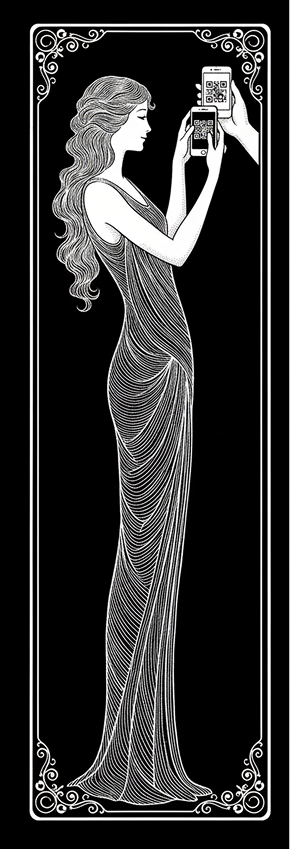

Current Progress
Issues with the Current App
The client reached out to us after they have received the work from another designer team. The initial thought was to do a visual revamp and some code base cleanup for the beta launch of the application.
However, with the provided files, after a usability walkthrough, some key screens are missing when a service provider would like to start his/her shift. On a design level, this would results in bugs and unaddressed edge cases that would result in users getting stuck, which damages trust on both service providers, customers and many other parties involved.
Hence, I made the recommendation to prioritize flow cleanup before visual revamping, allowing engineering to establish a stable backend, before making any front end changes which risk being repeated work.
Fortunately, the client agreed the proposal and we moved on to a more challenging task than what SOW agreed.

The provided screens have saturated colors as backgrounds during some key frames, as well as simple cards which might cause trust issues with users.
There are missing states (error states, logic gaps, unconsidered edge cases) around the whole flow which is presented in the old file.
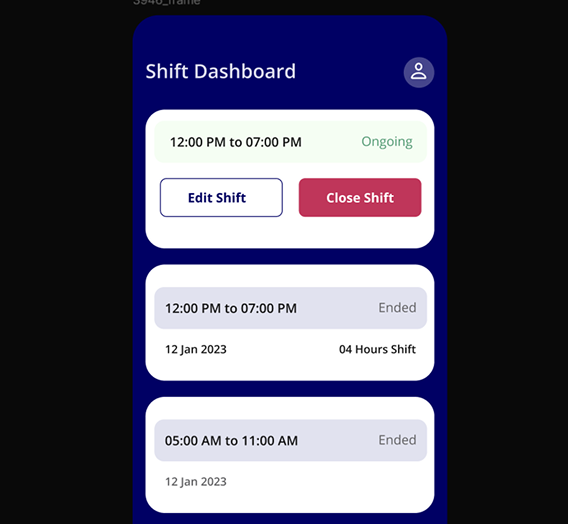
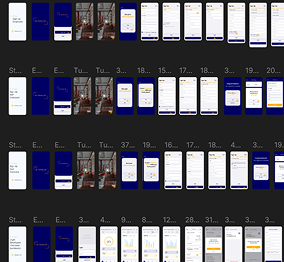
The screens are presented in piles which it took us some time to analyze the actual flow, get them organized and recognize the use of each repeated screen.
How we approach
Our Game Plan
Can't Wait?

Straight to result
Acquiring more information
Flow Walkthrough with Client
What other ways would be better to acquire information faster than consulting our client?

The first person showing up will be required to set up the shift with tip distribution mechanism, hours, etc. There is also no flow when tipping lead gets off shift.
There is no restrictions in when a person can go on shift or not.

- Setup Biometrics and restrictions on the organization level to avoid frauds.
- Tipping lead and employee should see slightly different screens.
- Allow tipping lead to transition the power to people on shift, in case anything needs editing.
Customers are shown processing fees, given the option to include or not. Then pay. That is confusing and unclear.
Popup messages appear after submission and usually without actionable recommendations

- including processing fee in tip total amount, as opposed to proving tip amount + processing fee.
- Shorter flow so that customers can pay more easily.
- Providing actionable error messages in real time, with context, upon entry of the data.
- Including helper messages to guide the user.


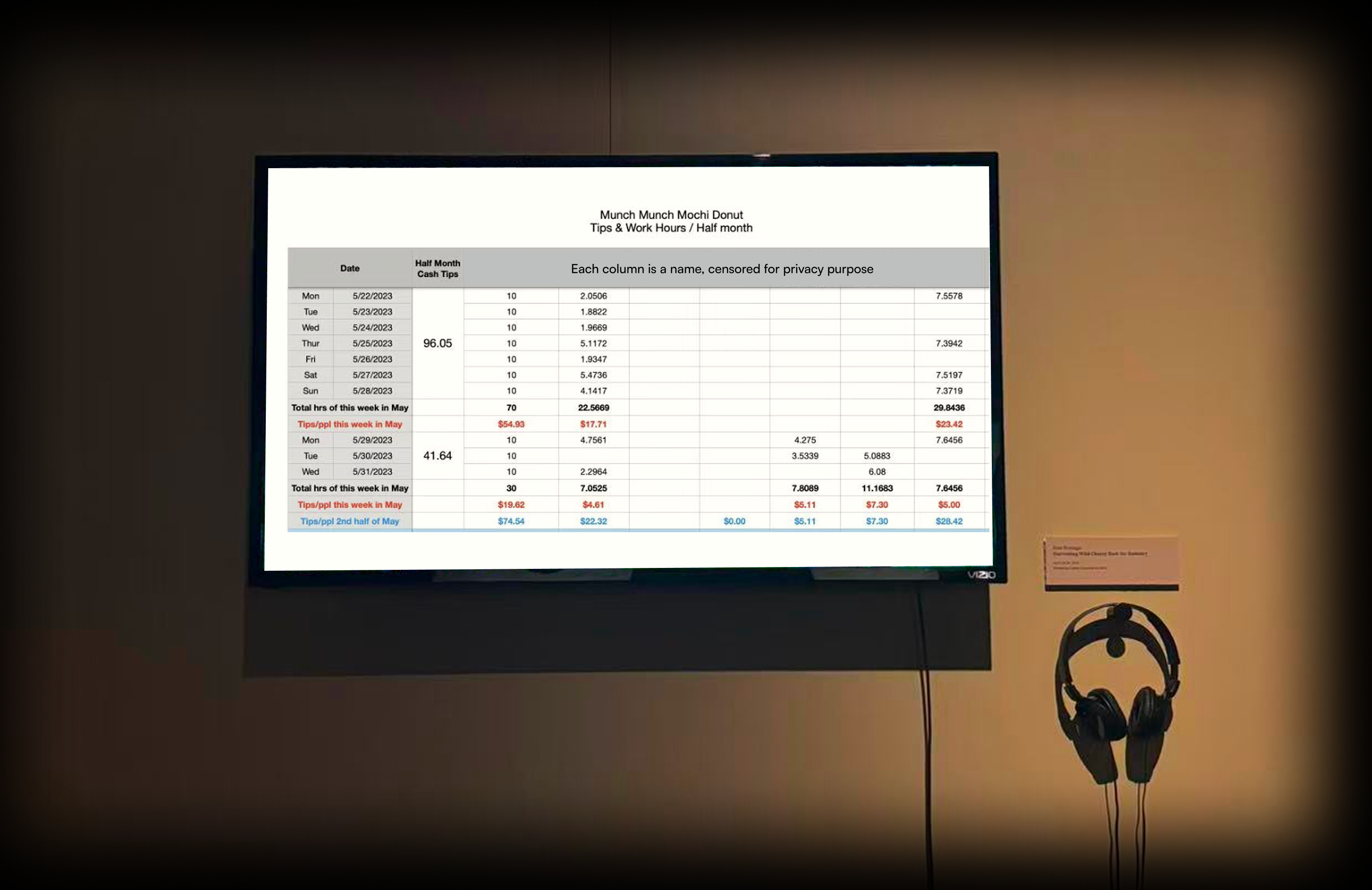
We also conducted interviews with service providers in the industry. By seeing how they operate, how their reports are like, how they are splitting and managing tips as a team, gave us more inspirations on how to better design our app.
Empathy Journey Continued
SWOT Analysis
Strength
We gave the opportunities for SMB teams to manage their employees tipping situation. By giving the tip management part to service providers, it offloads management cost on companies, but also giving service providers more control on something that they should control.

Weakness
The main weakness in the current model is the integration. Lots of companies would have an integrated system on shifts, salary, tips, and human resources. The autonomous fashion of our app might challenge that mode.

Opportunity
Acting as a digital tipping app, the app pushes another wave in digitalization of tipping culture. This would allow customers to directly give the tips to service providers, no need to worry about restaurants might take any part of the tip.

Threat
We mainly worry about the adoption of the method, as well as the learning curve for service providers to self-manage their tips. That is why it is more crucial to have a smooth and guided path.
Design Features
Design Features
Start a Shift
Service providers would be able to set up the team's shifts for today with ease in management and great accuracy.
End Shift
Tipping lead would end the shift by transfering the responsibility to other team members, or continue to lead even if they are off shift.
Biometics Restriction
Verify service provider's geographic location when they want to start shift
Changing the Aesthetic
Visual Revamp - How we address
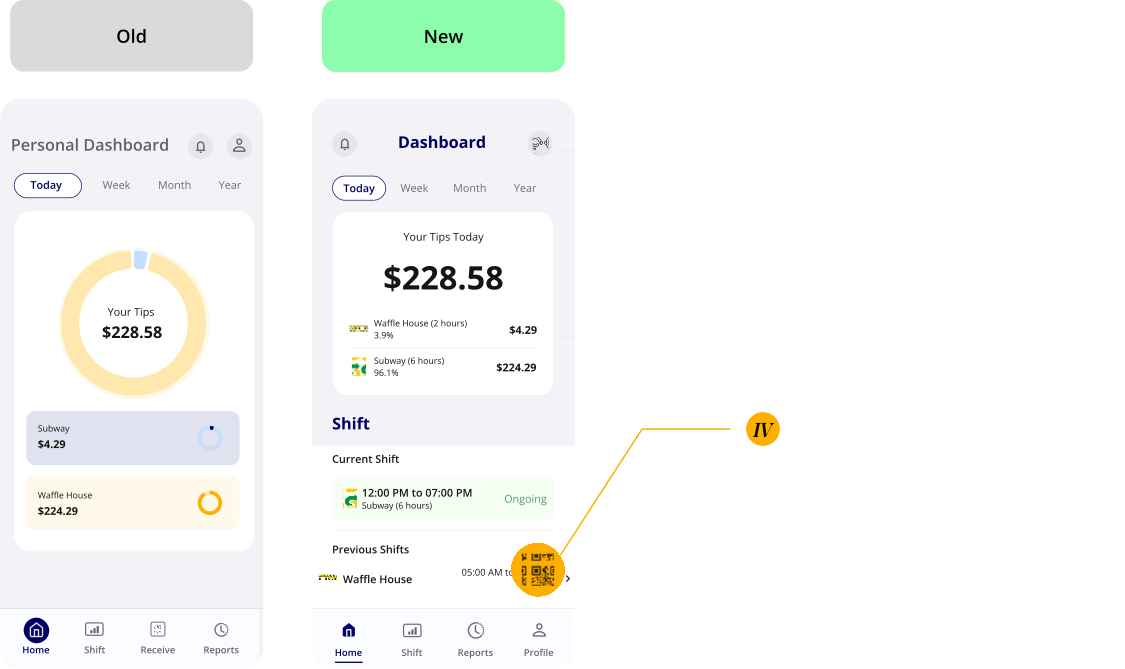
For Professional Theme, We...

Use Larger card designs


Consistency throughout app

Fix Contrast Issues

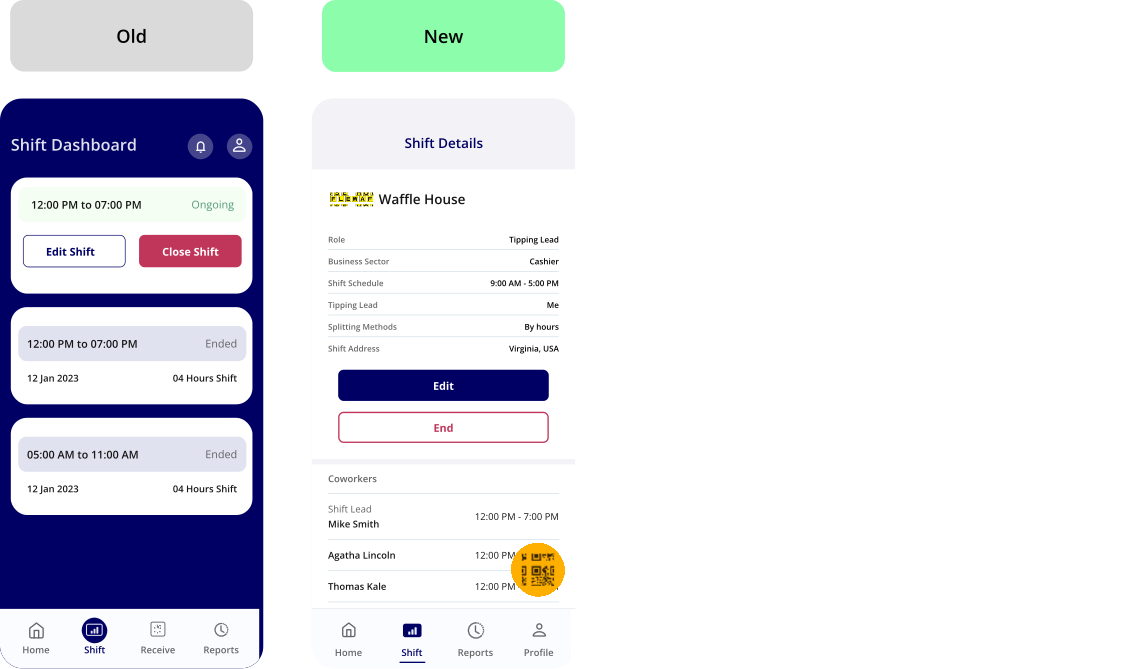
For a better visual experience, We...

Remove high saturation colors

Use a grey palette for background

Only use bright colors to highlight

What we have acheived
Results
100%
Total tickets accepted rate
27
Completed
Tickets
21 out of 27
Client agrees on first draft
2
Extra contact signed
+180%
In generated revenue
18
Items in SOW addressed
Reflection & Learnings
Takeaways
This is the first time working in design agency which is quite a new experience. The work is relatively fast paced and highly dependent on clients. This means it is not necessarily a designer as the final stakeholder. I learned lots of ways to communicate my thoughts, present my work and negotiate. Great thanks to my mentor Eadaoin, Lance and Krishma at Tribal Scale to introduce me to this new realm that I have not seen before. This experience doesn’t limit only on UI/UX, but also lots of communication with clients, PM, engineers, as well as presenting outcomes in front of company and client. This gave me a clearer understanding on how client project works, fueling me in my later freelancing career. If I can handle this as the main designer, I could take on similar projects on behalf of myself.